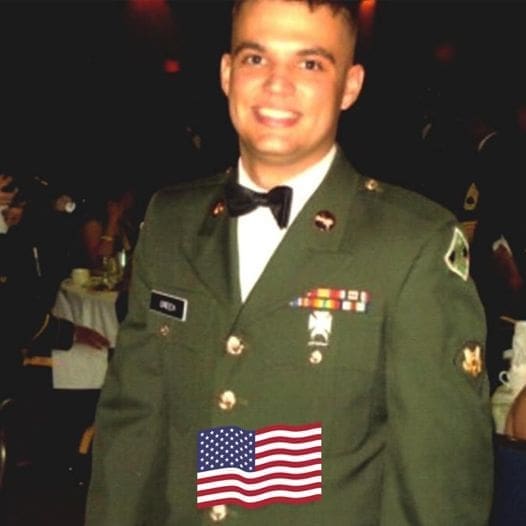
A reflection on what Veterans Day means to those who served — and why “thank you” is not the end of the conversation, but the beginning of an obligation.
Every year on Veterans Day, I take a quiet moment before the ceremonies begin. I appreciate the gestures — the parades, the free meals, the handshakes at the grocery store — but for those of us who served in Iraq, this day reaches well past public ceremony.
During deployment, life held a clear purpose. There was a mission, and there were the people beside you. Coming home alters that sense of direction in ways that are hard to explain to anyone who has not lived it. Veterans Day, for many of us, surfaces memories of fallen comrades and the specifics of wartime — and that turns the holiday into something more profound than celebration. It becomes remembrance, an honoring of those who did not come back.
American strength has always relied on citizens stepping forward at critical moments — from the Revolution through every conflict since. Service members act not for recognition, but from conviction about protecting freedom, family, and the idea that our country can always strive to be better.
The true significance of Veterans Day extends past uniforms and parades. It is about recognizing the lasting physical and invisible wounds veterans carry. “Thank you” is not a conclusion. It is an obligation — to ensure veterans receive the healthcare, support, and comprehension they have earned.
As America approaches its 250th anniversary, the work in front of us is to keep faith with our history, with the fallen, and with the living veterans who continue carrying the burdens of war. The deeper promise of this day is not just remembrance. It is responsibility.
This article is a faithful retelling of the original post on our previous WordPress site. View the archived original.